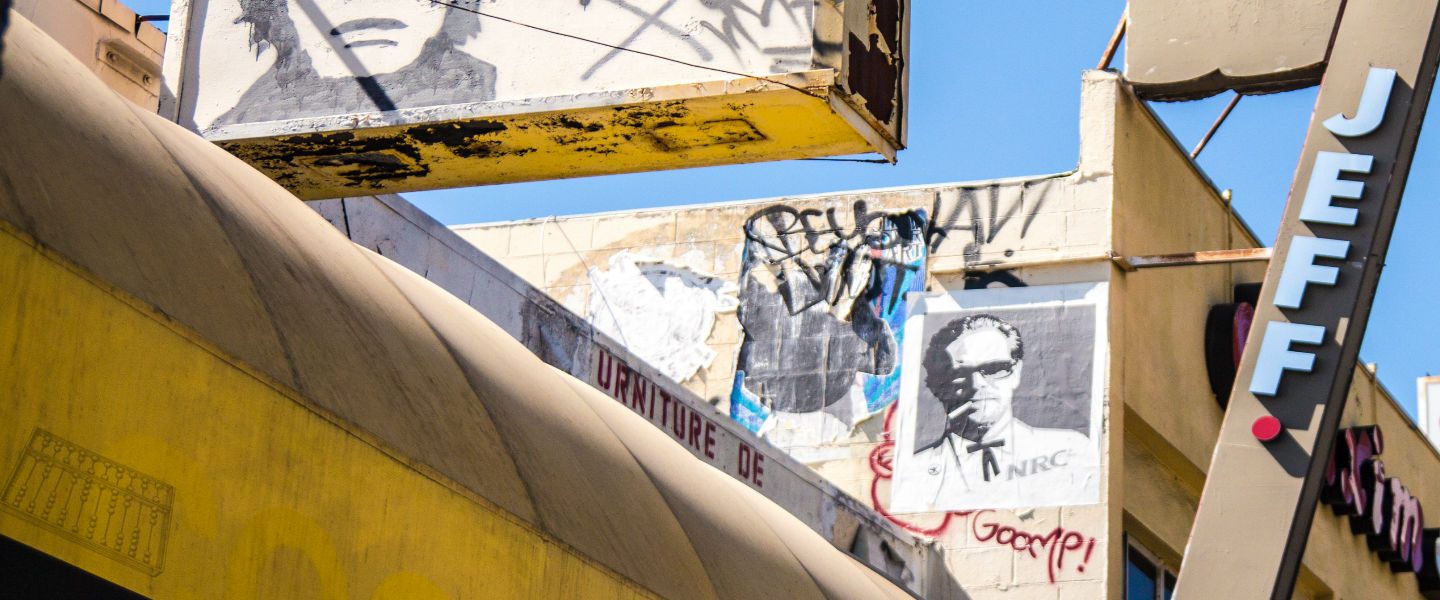
About the Header

The header of Abakus shows the famous street Fairfax Avenue in Central LA. Fairfax represents more than just streetwear but a culture that started on it. Fairfax is home to stores such as Supreme, Bape, Pink Dolphin, etc. It does not seem like the flashiest street where high end clothes are being sold, but the street carries many garments most of us would not think to purchase.
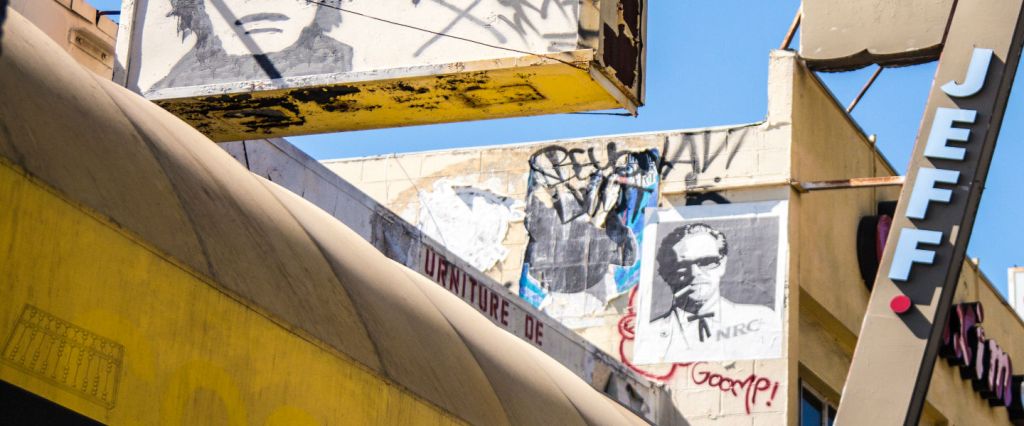
I faded the abacus logo because the street has lots of history and it made it seem old and worn out. I found the source images on Flickr and Google Images. I made sure the images were made for noncommercial use. The First Layer was the image background I picked with many light colors because the original picture had many black lines. I then used a second layer from the logo and lowered the opacity. The single layered bitmap is similar in that your can edit a plain, but the difference is that each layer I use in Pixlr is totally seperate and can be edited seperately.

Header image made by using background photo “Fairfax, Los Angeles Thank You” by Man E (CC BY-NC 2.0) on Flikr. Abakus image courtesy of Google (public domain)

Why Abakus?

I’m Will and the name of my website is named Abakus, based on the old Chinese calculator and a closed shop in Philadelphia where I sold my first pair of consignment shoes. The goal of the site is to write about the current streetwear movement and how it originated and evolving. This site will be focused on product design and art rather than marketing and capital.  As someone who actively stays knowledgeable about trends and releases, I have a strong grasp of the subject. I have also received lots of art training and have a strong passion for design/product. The goal of the site is to eventually build a following and sell merchandise. The target audience is people who are entering the world of fashion that want to be informed of the deeper origins of styles and textiles. Lawrence Lessig’s analysis of John Philip Sousa’s claim says “A culture where creativity is consumed, but the consumer is not a creator. A culture that is top down: a culture where the “vocal cords” of the millions of ordinary people have been lost” (p.156) This statement can be used to describe the trends in culture/fashion. There are many forms of expression, but within fashion the consumer can also be a creator when putting their favorite outfit together. Today, marketing and consumerism has boosted the fashion industry tremendously. What was once a strict social construct is now loosening to a form of expression. People find niche clothing stores and trends that can somehow tell society what kind of person they are. A person’s clothing choice can effect how people percieve them. Perception can open or close opportunities in whatever facet of life you encounter. For this blog, I will be focusing on the “streetwear” movement. Streetwear is embraced by society through young people and “culture” lovers. But how has streetwear evolved and when is streetwear going to become a main force in the high-fashion world, the way it is in society?